One closing path
Eligible projects can move from construction through permanent financing in one connected process, with the conversion conversation understood before the build begins.
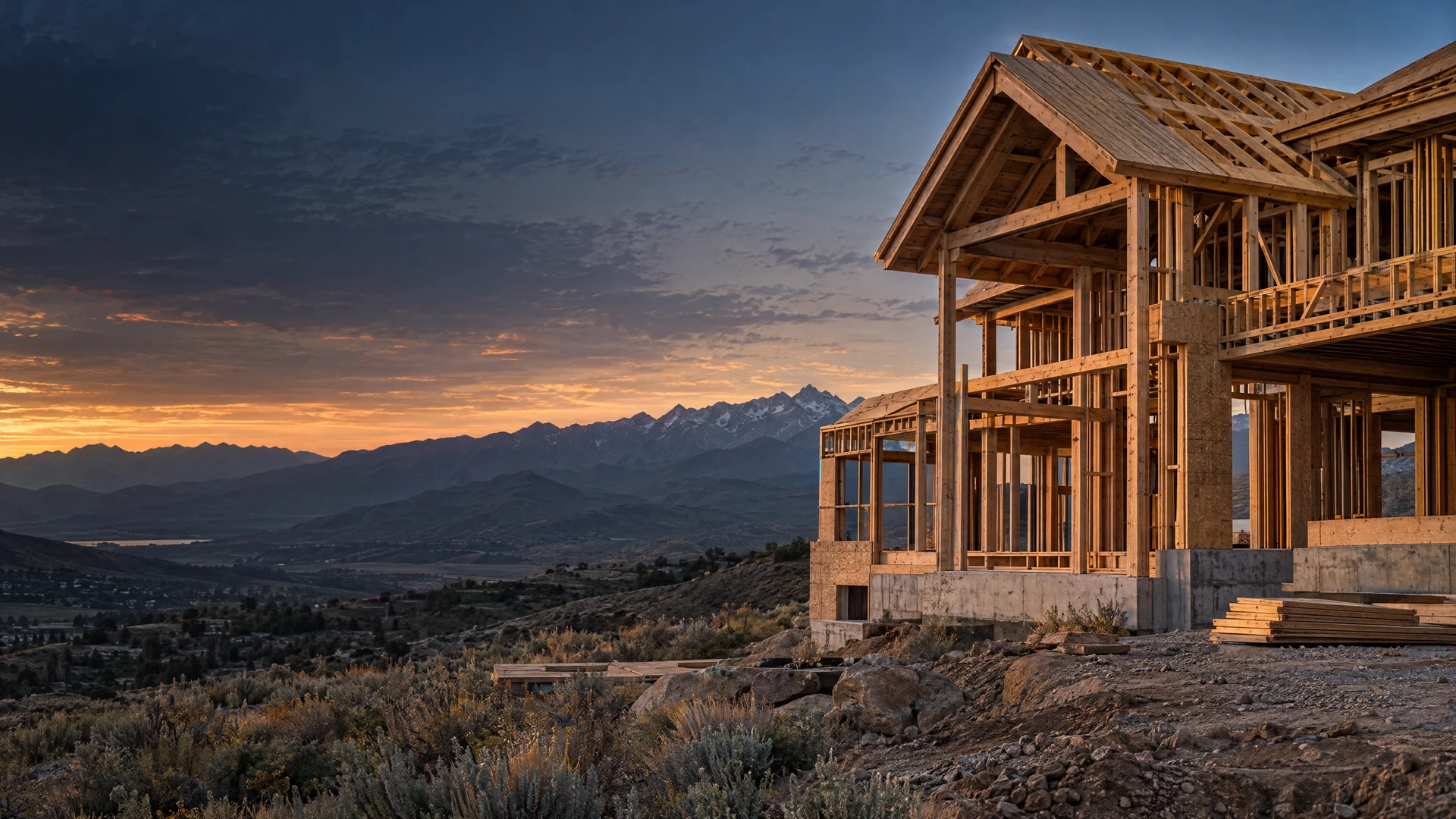
Explore a one-close construction-to-permanent loan for your Utah build. Eligible projects can move from construction through permanent financing in one connected path—starting with the land, builder, budget, appraisal, draws, and conversion.
A one-close path is confirmed only after the project and current program requirements are reviewed.
Featured build path
The central job is to put the lot, builder, plans, project budget, appraisal preparation, draw process, and permanent-financing conversation into one file before closing.
Explore construction-to-permanentOne closing is only the headline. The value is a project path that can account for the land position, builder, property type, and the construction work ahead.
Eligible projects can move from construction through permanent financing in one connected process, with the conversion conversation understood before the build begins.
Start with a lot purchase or bring land already owned into the full project review. Current-value treatment, when eligible, follows the current approved program guide.
Physician, specialty-property, renovation or rebuild, and qualified owner-builder paths get their own project conversation rather than a generic answer.
Title-endorsement savings, reserve flexibility, and float-down details should be confirmed from current approved language for the actual borrower and project.
The borrower and builder are moving through the same project. Builder approval, contract review, draw communication, inspections, and payment steps should be visible before construction starts.
Help the chosen builder understand the project-review path, required package, and documentation that can move the file forward.
Fixed-price and cost-plus contracts can be reviewed against current approved Utah program requirements and the actual project scope.
The construction support team helps coordinate draw communication, inspections or progress verification, and payment steps as work moves forward.
Title-endorsement savings, reserve flexibility, and float-down details can add depth when available. Exact terms and eligibility must follow current approved guidance.
Whether you need land, already own it, have a builder, or have plans, the next useful conversation depends on the project facts in front of you.
Start with the parcel, its site questions, and a future-build path that stays honest.
Bring current land position, potential equity, site work, and the build plan into one project review.
Make sure the builder package, contract type, budget, and draw process are ready to move together.
Use the plans, specs, budget, and property facts to start a build-ready construction-to-permanent conversation.
The land, drawings, builder agreement, budget, appraisal, and draw process have to survive the same conversation. That is where a workable construction file begins.
Access, title, utilities, site work, and the facts the future build must answer.
Agreement, plans, specifications, allowances, milestones, and changes.
A complete project picture and a clear completed-home story.
Owned land or usable equity can inform a full project review—not replace it.
Progress, documentation, verification, and changes during construction.
Know how the finished-home phase connects before the first draw.
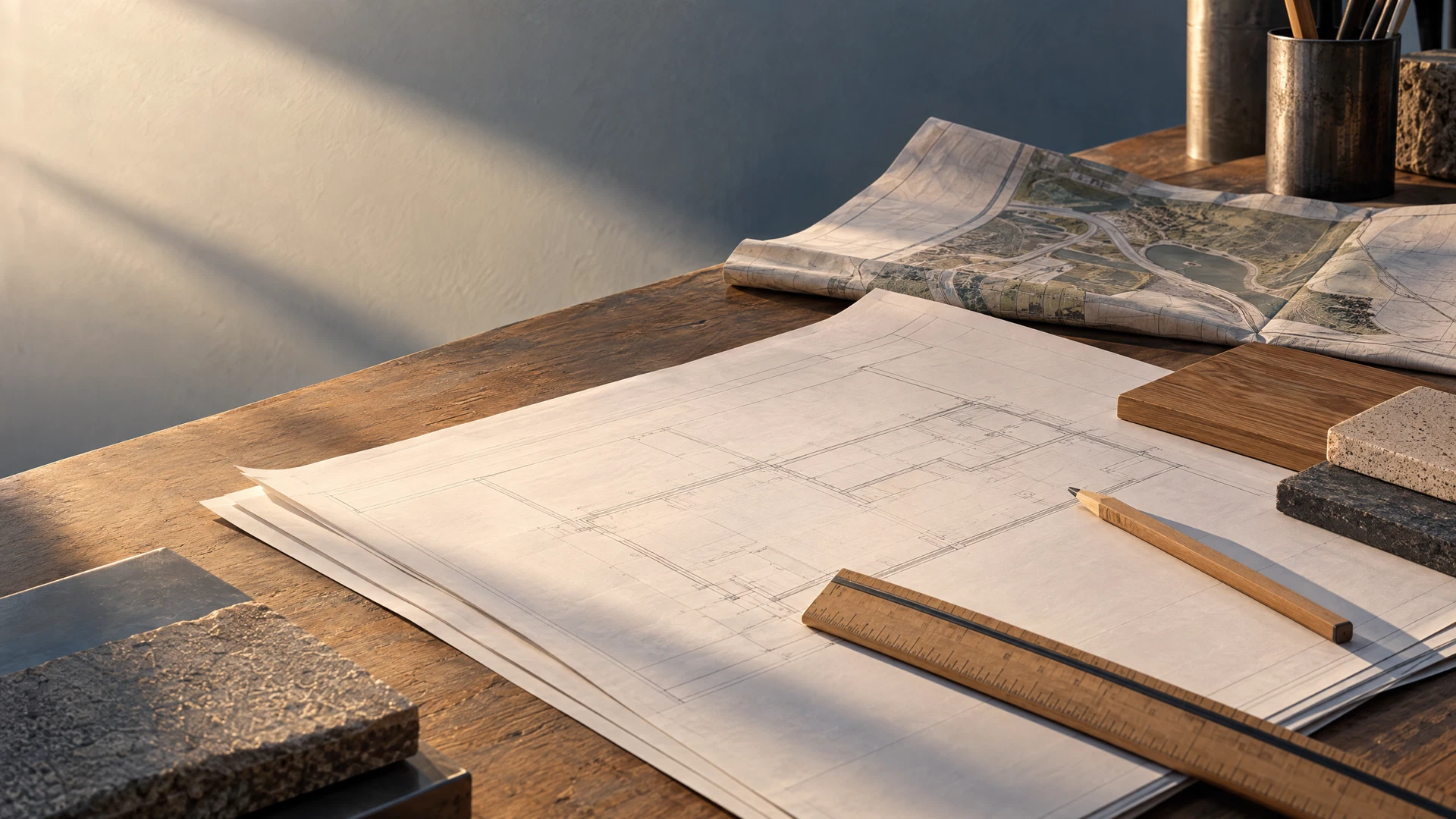
Bring the lot, plans, builder contract, cost breakdown, and timeline together before the project becomes harder to change.
Read the project sequenceA Wasatch foothill lot, a Utah County growth-area parcel, a Park City second home, and outer-market acreage do not bring the same access, utility, timing, or appraisal questions.
Urban, suburban, and foothill build planning where lot fit, access, builder documents, appraisal support, and timing need to stay aligned.
Read the planning questionSubdivision-versus-acreage choices, utilities, builder capacity, site work, and a budget that has to keep pace with land decisions.
Read the planning questionSecond-home or custom-project planning with site access, seasonal timing, occupancy, property-specific review, and appraisal preparation.
Read the planning question
Matthew leads the planning conversation at Utah Construction Loan. The goal is to identify the project path, missing facts, and useful next step before you spend more time or money moving in the wrong direction.
Map my Utah build“The right question is rarely just, ‘What is today’s rate?’ It is: what do you own, what are you building, and what has to happen next?”
Start with access, title, utilities, site work, zoning or use questions, and the shape of the future build plan. A future construction project is reviewed separately.
No. A conversation can begin with an idea, parcel, or timeline. Clear builder and scope documentation eventually matter, so knowing what is missing early is useful.
Not always. Demolition, structural work, and a substantially changed property can point to a construction-level planning conversation.